
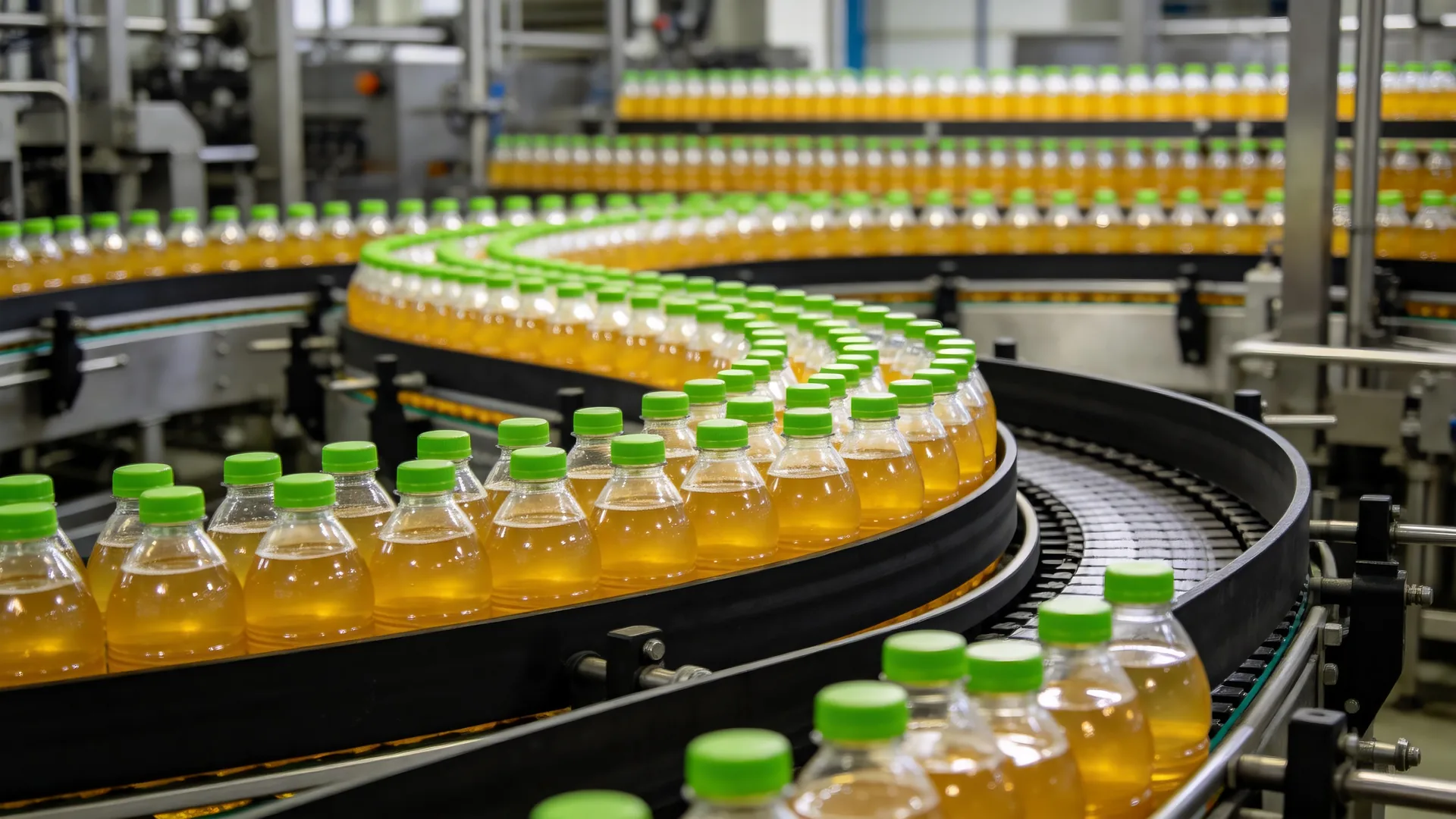
Aeration Diffuser Selection for Food & Beverage Wastewater
Food and beverage wastewater can bring high COD/BOD, fats, oils, suspended solids, and daily load peaks. Blue Water helps match diffuser material, airflow distribution, and maintenance planning to biological treatment needs before quotation.
Match diffuser material to organic load, oil risk, cleaning cycles, and maintenance access.
Match diffuser material to organic load, oil risk, cleaning cycles, and maintenance access.
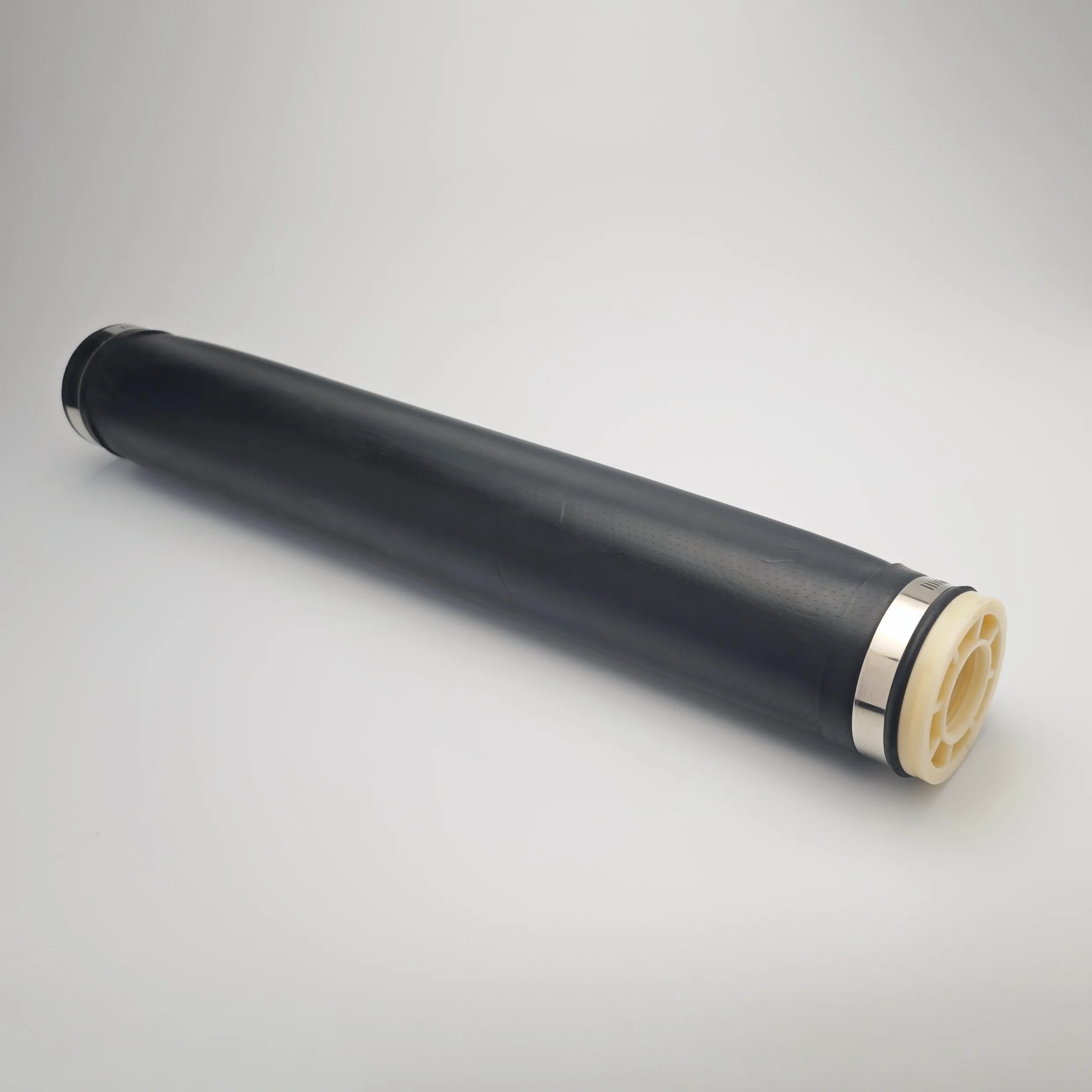
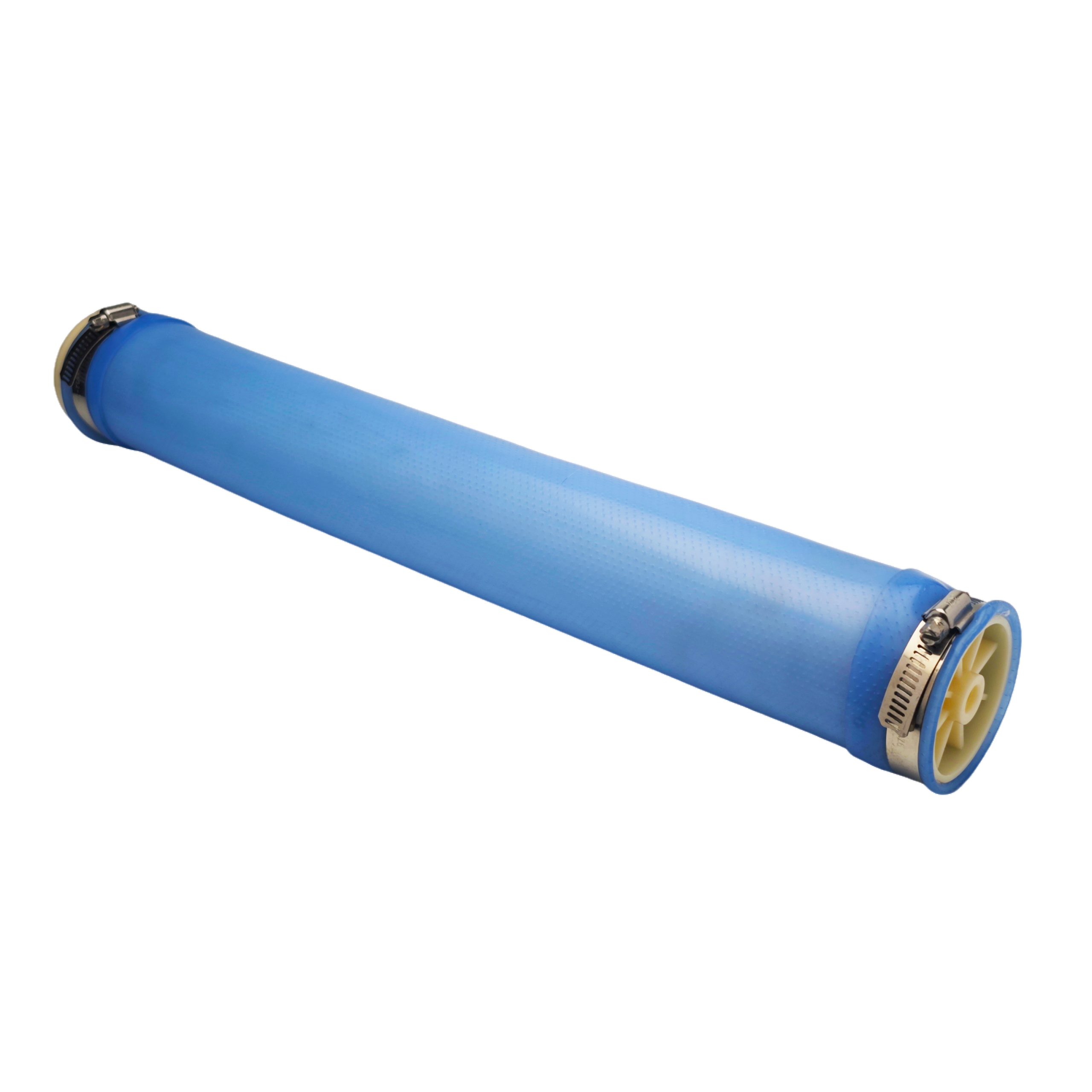
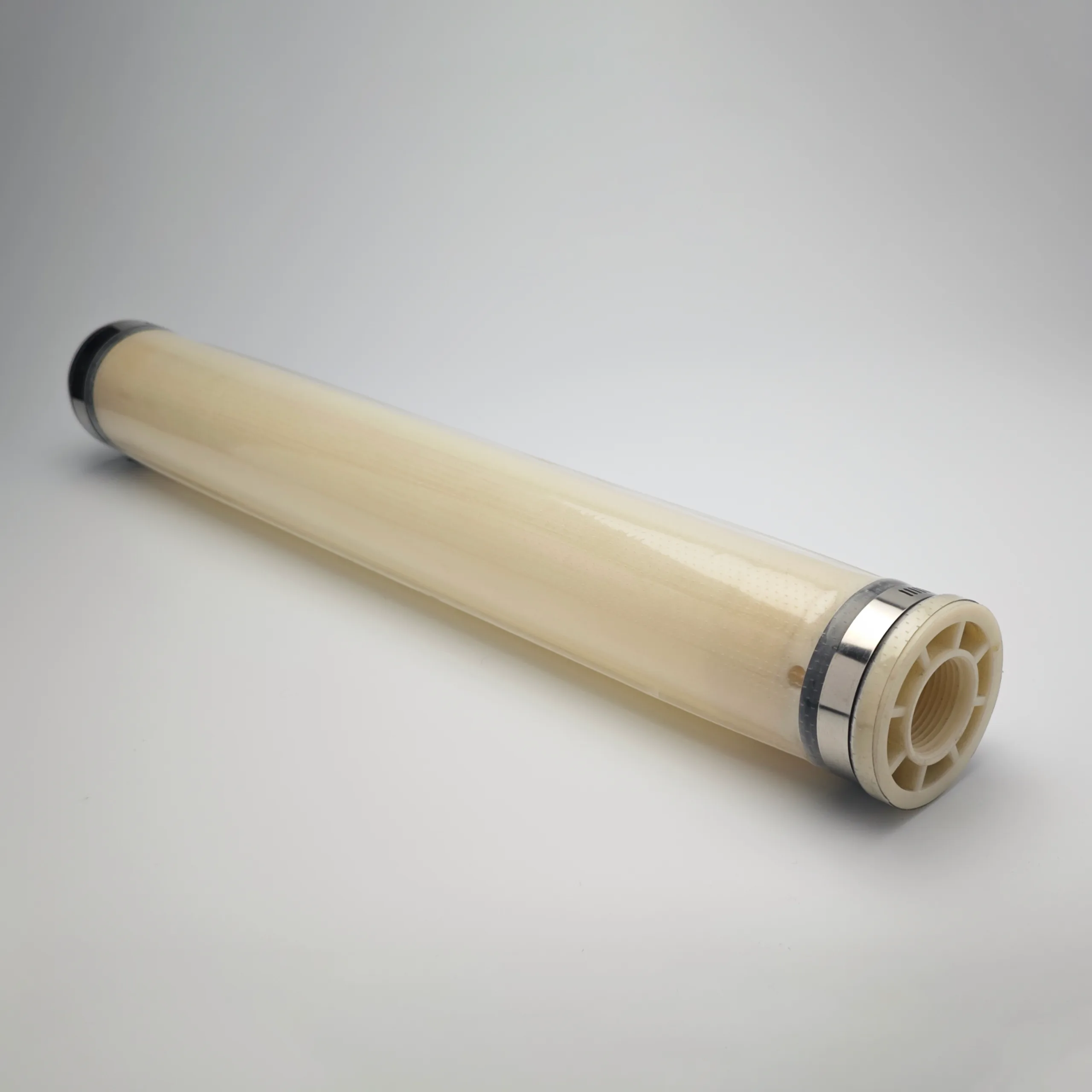
Coordinated package supply for aeration projects.
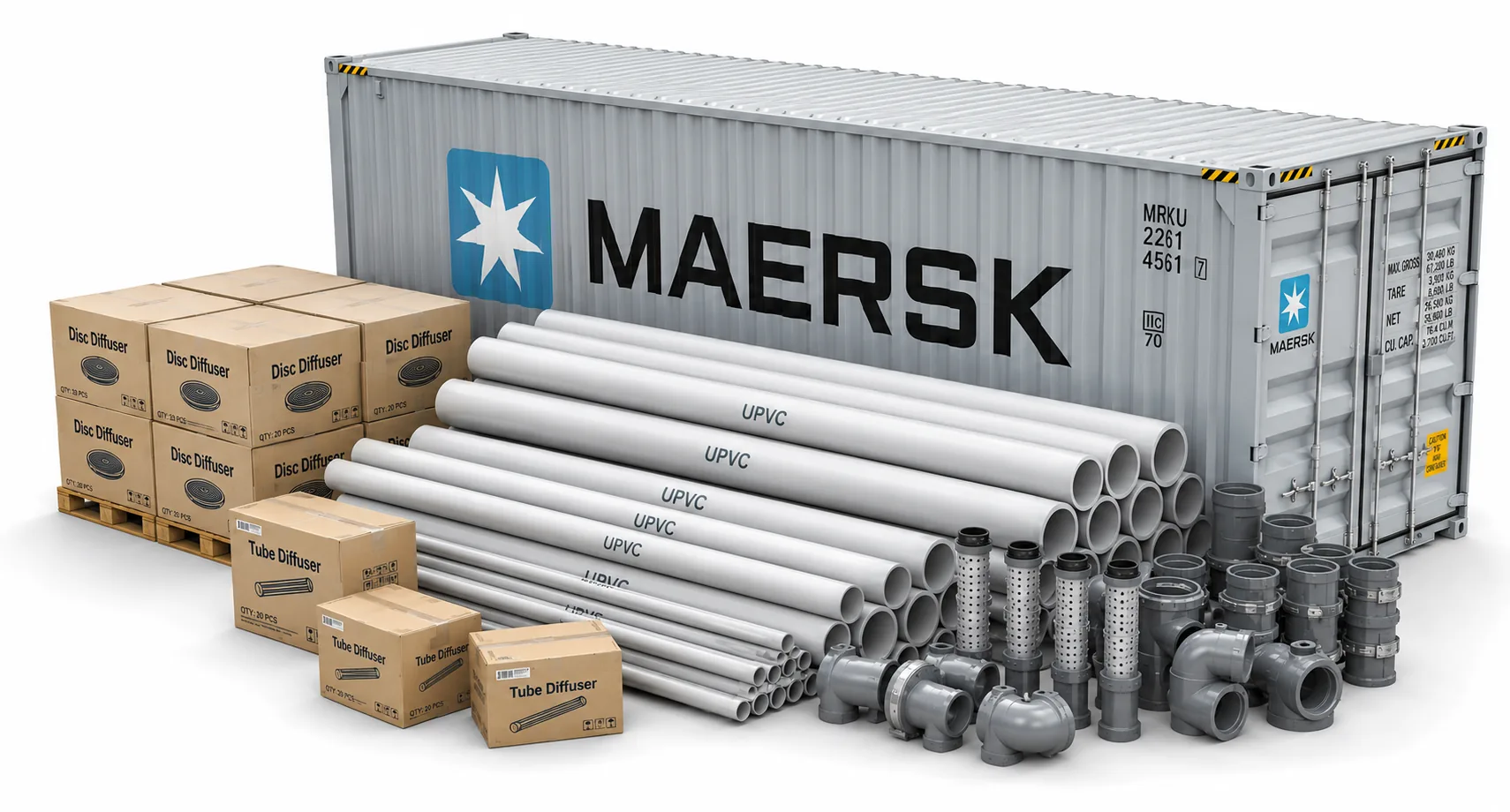
Diffusers, accessories, air distribution pipes, and shipment details can be coordinated together for EPC and retrofit work.
What we can coordinate
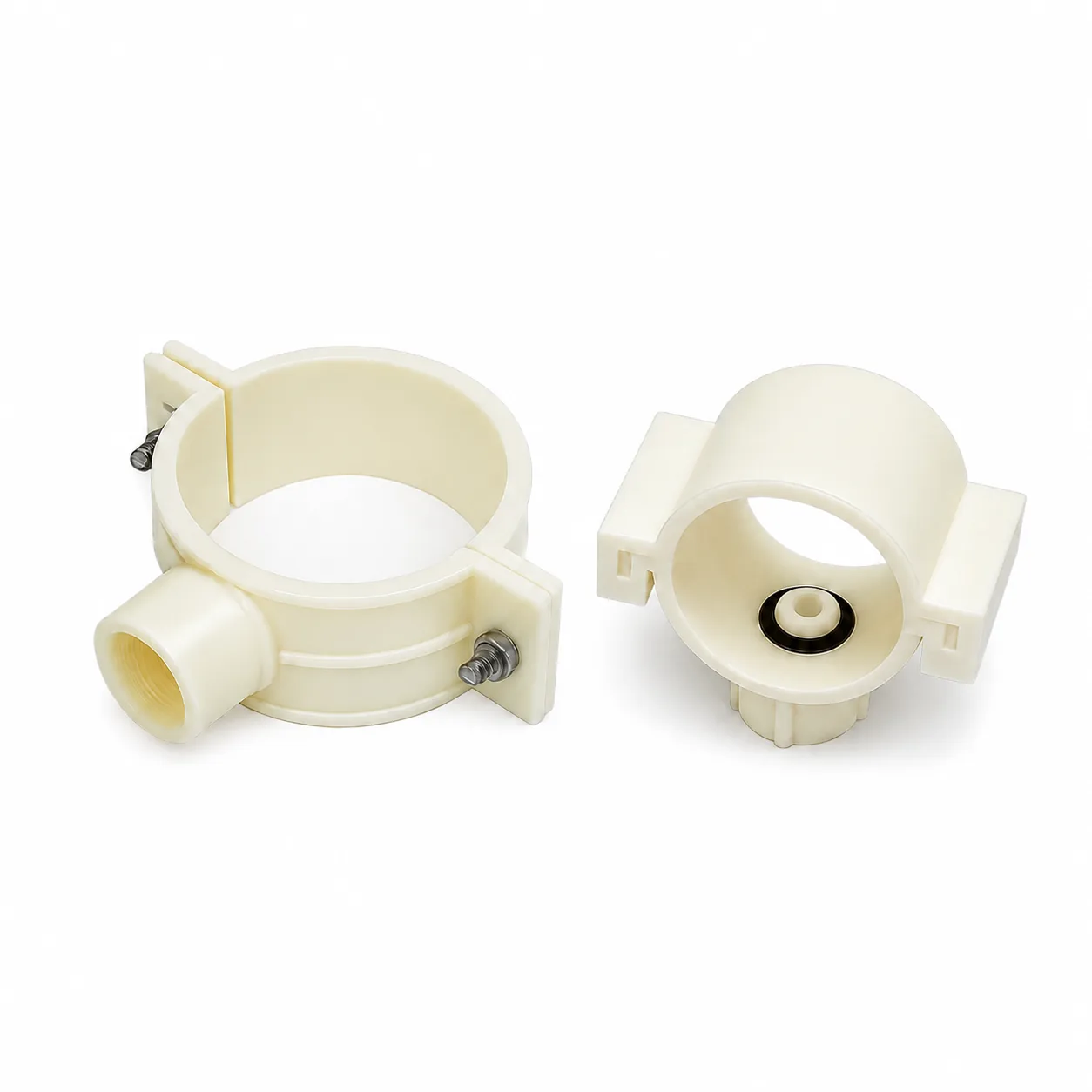
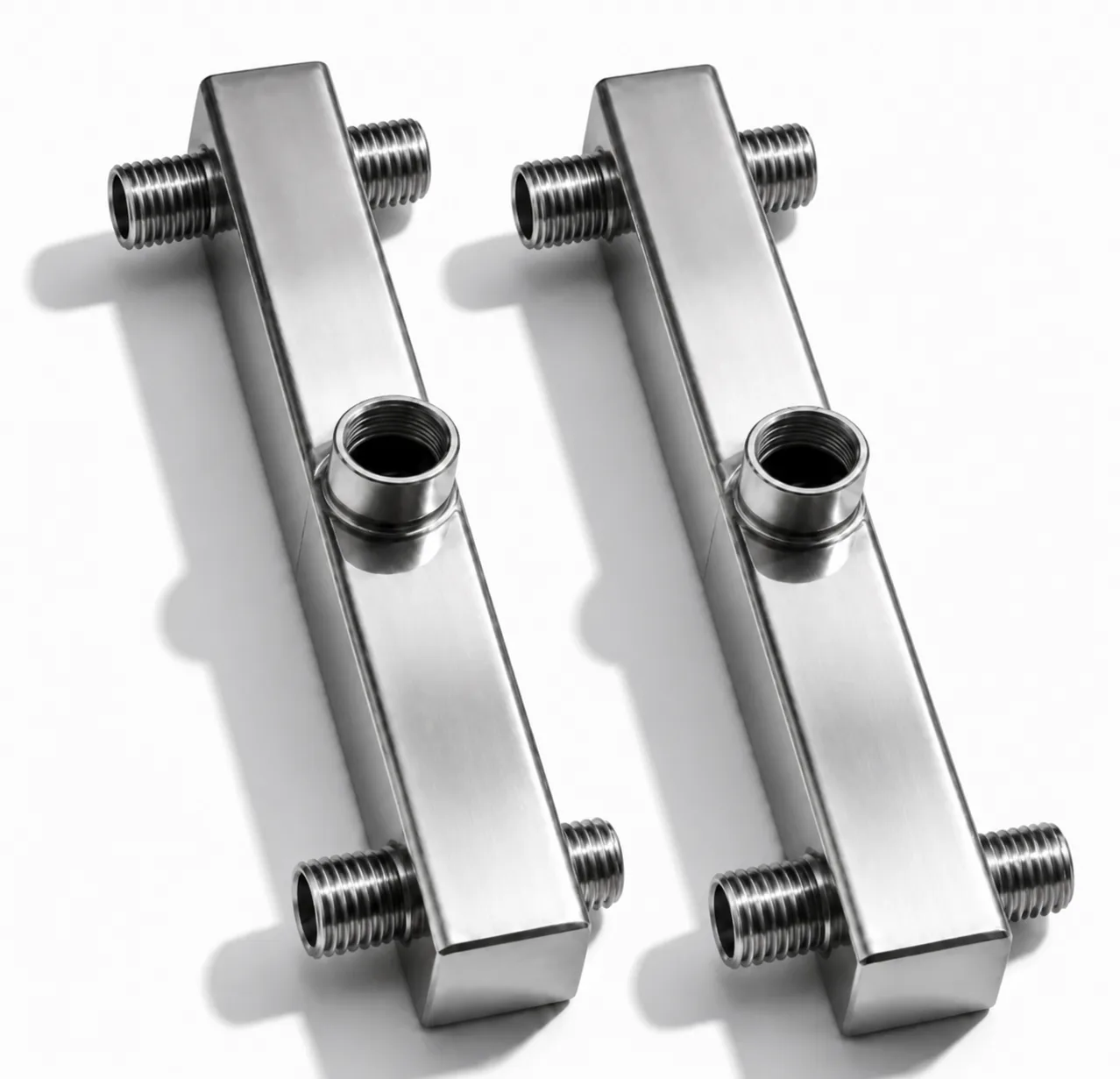
- Matching accessories and connection parts according to the selected diffuser system.
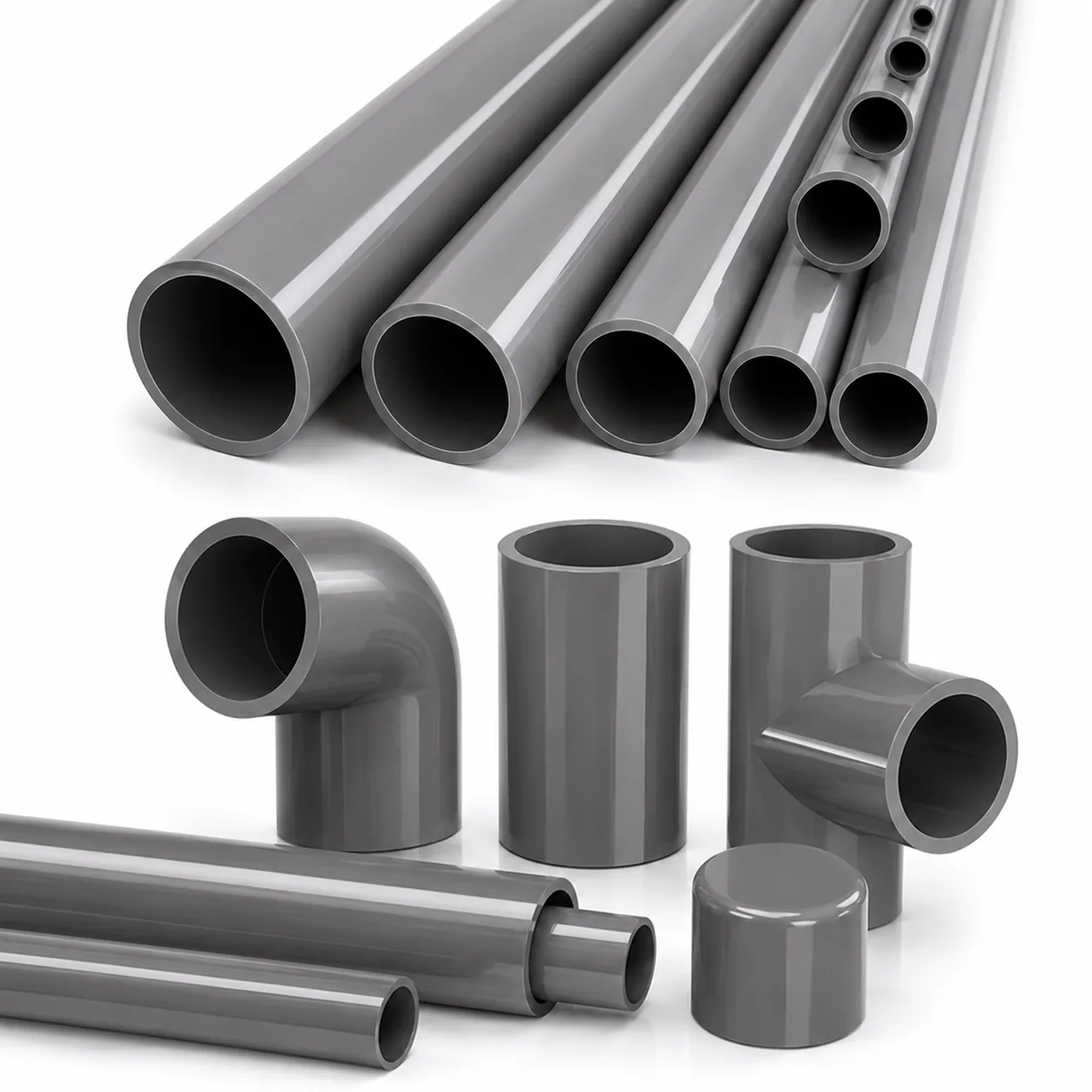
- Air distribution pipes and related piping support for project package discussions.
- Integrated packing and consolidated shipment for diffuser, accessory, and piping packages.
- Blower selection coordination when the project requires blower matching.
- Support from past experience combining diffuser systems with blower suppliers for oxidation tank package shipments.
This can reduce purchasing complexity for EPC customers who prefer fewer supplier interfaces and clearer package coordination.
Oxidation tank package experience
Blue Water has experience coordinating with blower manufacturers for combined shipment packages covering the oxidation tank aeration section. For suitable projects, we can help customers discuss diffuser layout, accessories, piping, and blower matching as one procurement package.
Common food and beverage wastewater issues.
The aeration system must handle organic load changes without creating difficult daily maintenance.
High COD/BOD peaks
Production schedules can create oxygen demand swings that require stable airflow distribution.
Oil and grease fouling
Fats and suspended solids may increase diffuser surface fouling and maintenance frequency.
Retrofit constraints
Existing tanks often limit pipe layout, diffuser density, and installation windows.
Selection notes for food wastewater.
Material direction depends on wastewater source, cleaning practice, oil content, temperature, and blower condition.
Start with tank and load data
Basin dimensions, water depth, airflow, DO target, and current diffuser spacing are the first selection inputs.
Review fouling and cleaning practice
CIP discharge, grease, solids, and cleaning chemicals should be checked before confirming membrane material.
Quick Project Data / 快速项目数据
Submit structured data for faster diffuser selection.
If you already have tank data, use the quick selection form below. Most items are dropdown choices, and only dimensions or notes need typing. If the project data is not final yet, you can still contact us directly and discuss the selection with our technical team.
Send food wastewater data for diffuser direction.
Share tank dimensions, wastewater source, oil/grease condition, and current aeration problems so Blue Water can check the first material and layout direction.